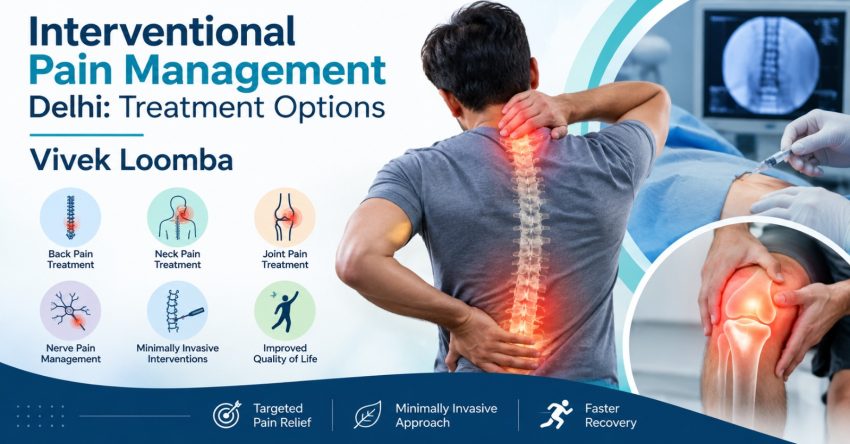
Living with ongoing pain can make everyday activities such as walking, sitting, working, and sleeping difficult. When medicines or other treatments do not provide enough relief, specialised pain management may be worth considering. Interventional pain management Delhi offers targeted treatment options that may help suitable patients manage pain and improve their daily activities.
Dr. Vivek Loomba is a pain management consultant with over 23 years of experience in managing acute and chronic pain. His approach includes assessing the cause of pain and recommending treatment according to each patient’s medical condition.
What Is Interventional Pain Management Delhi?
Interventional pain management is a medical approach that uses targeted procedures to diagnose or manage pain. These procedures may involve injections, nerve blocks, or radiofrequency techniques to address specific sources of discomfort.
Unlike treatments that rely only on medication, interventional procedures aim to target the structures or nerves involved in pain. They are generally considered after a detailed medical evaluation and when appropriate for the patient’s condition.
The main goal is to reduce pain, improve movement, and help patients return to their regular activities.
Which Conditions Can Interventional Pain Management Treat?
Patients experiencing persistent pain due to spine, joint, muscle, or nerve problems may benefit from an assessment by a pain specialist.
Common conditions include:
- Chronic back pain: Pain associated with spinal joints, discs, or irritated nerves.
- Sciatica: Pain that travels from the lower back into the leg due to nerve irritation.
- Neck pain: Discomfort associated with cervical spine conditions or irritated nerves.
- Knee and joint pain: Pain related to arthritis or other joint conditions.
- Nerve pain: Burning, tingling, or shooting sensations caused by nerve damage or irritation.
- Cancer-related pain: Pain that may require a combination of medical and interventional treatments.
Not every condition requires a procedure. The appropriate treatment depends on the diagnosis, symptoms, and overall health of the patient.
Interventional Pain Management Delhi: Common Treatment Options
A pain specialist may recommend different procedures depending on the location and cause of pain.
1. Nerve Blocks
Nerve blocks involve injecting medication near specific nerves to interrupt pain signals temporarily. They may help manage certain types of nerve, spinal, or joint-related pain and can sometimes help identify the source of symptoms.
2. Epidural Injections
Epidural injections deliver medication into the space surrounding the spinal nerves. They may be considered for selected patients with conditions such as sciatica, nerve root inflammation, or a herniated disc.
3. Facet Joint Injections
Facet joint injections target small joints in the spine that may contribute to neck or back pain. A specialist may recommend them when examination findings suggest that these joints are responsible for the symptoms.
4. Radiofrequency Ablation
Radiofrequency ablation uses controlled heat to interrupt pain signals from selected nerves. It may provide longer-lasting relief for certain chronic pain conditions, although results vary between patients.
5. Other Targeted Procedures
Depending on the diagnosis, additional options may include sacroiliac joint injections, trigger point injections, or spinal cord stimulation. These treatments require careful patient selection and specialist assessment.
Why Consult Dr. Vivek Loomba for Pain Management?
Choosing the right treatment starts with understanding the cause of pain. Dr. Vivek Loomba offers pain management services that may include medication, nerve blocks, targeted injections, radiofrequency procedures, and other suitable approaches.
With over 23 years of experience, he focuses on evaluating each patient’s symptoms and medical history before recommending a treatment plan. Patients can discuss available options, expected benefits, possible risks, and alternatives during their consultation.
When Should You Consult a Pain Specialist?
Consider seeking medical advice if pain continues for several months, repeatedly returns, affects sleep, or limits your daily activities despite initial treatment.
If you experience new bladder or bowel control problems, numbness around the groin, or rapidly worsening leg weakness alongside back pain, seek emergency medical care.
If you are considering interventional pain management Delhi, consult Dr. Vivek Loomba to understand the possible cause of your pain and whether a targeted procedure is appropriate for your condition.
Frequently Asked Questions (FAQs)
Q: What is interventional pain management?
It uses targeted medical procedures, such as nerve blocks and injections, to diagnose or manage specific types of pain.
Q: Is interventional pain management a non-surgical treatment?
Many interventional pain procedures are minimally invasive and do not require open surgery. However, suitability depends on the procedure and the patient’s condition.
Q: Can interventional pain management help with sciatica?
It may help selected patients with sciatica caused by spinal nerve irritation. Treatment depends on the underlying cause and clinical assessment.
Q: How long does pain relief last after a procedure?
Relief varies depending on the procedure, diagnosis, and individual response. Some treatments provide temporary relief, while others may offer longer-lasting benefits.
Q: Is interventional pain management suitable for everyone?
No. A specialist must assess the patient’s medical history, symptoms, examination findings, and potential risks before recommending a procedure.


