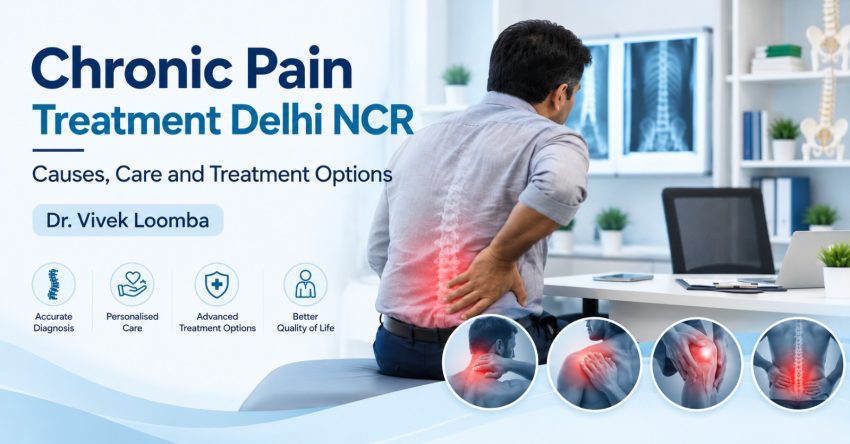
Chronic pain can make everyday activities such as walking, sitting, working, and sleeping difficult. When pain continues for months, it may affect both physical comfort and emotional well-being. Finding the right treatment can help patients manage symptoms and improve their quality of life.
If you are looking for chronic pain treatment Delhi NCR, consulting an experienced pain specialist can help identify the cause of your discomfort and determine suitable treatment options. Dr. Vivek Loomba provides personalised pain management care based on each patient’s condition and medical needs.
What Is Chronic Pain?
Chronic pain is pain that continues for more than three months or lasts longer than the expected healing period. It may develop due to an injury, nerve damage, arthritis, spinal problems, or other medical conditions.
Common types of chronic pain include:
- Chronic back and neck pain
- Sciatica and nerve pain
- Arthritis and joint pain
- Shoulder and knee pain
- Cancer-related pain
- Pain that continues after surgery
Early medical assessment can help identify the possible cause and guide an appropriate treatment plan.
Why Choose Chronic Pain Treatment Delhi NCR?
Living with persistent pain without proper guidance can affect mobility, sleep, work, and daily activities. Professional pain management focuses on understanding the cause of pain rather than relying only on temporary relief.
During a consultation, the specialist may review your medical history, symptoms, previous treatments, and diagnostic reports. A physical examination and additional investigations may also be recommended when needed.
Dr. Vivek Loomba has over 23 years of experience in pain management and palliative care. His approach focuses on selecting suitable treatment options according to the patient’s diagnosis, symptoms, and treatment goals.
Chronic Pain Treatment Delhi NCR: Available Treatment Options
There is no single treatment that works for every patient. The right approach depends on the type, severity, and underlying cause of pain.
1. Medication and Medical Guidance
A doctor may recommend suitable medicines to manage pain or inflammation, depending on the condition. Patients should follow medical advice and avoid changing doses or taking painkillers for long periods without supervision.
2. Interventional Pain Management
Some patients may benefit from specialised procedures when conventional treatments do not provide sufficient relief. Depending on the diagnosis, these may include nerve blocks, targeted injections, facet joint injections, or radiofrequency ablation.
These procedures aim to reduce pain by targeting specific structures or nerves. Their suitability and potential benefits should be assessed by a qualified specialist.
3. Physiotherapy and Rehabilitation
Physiotherapy can help improve strength, flexibility, posture, and movement. A personalised exercise programme may also help patients gradually return to their daily activities.
4. Lifestyle Changes
Maintaining an appropriate activity level, improving sleep habits, managing stress, and following recommended exercises can support long-term pain management. Lifestyle changes should complement, rather than replace, necessary medical care.
When Should You Consult a Pain Specialist?
Consider consulting a specialist if your pain lasts for several months, keeps returning, interferes with sleep, or limits your everyday activities. Persistent numbness, tingling, or weakness also requires medical assessment.
Seek urgent medical care if back pain occurs with new bladder or bowel control problems, numbness around the groin, or rapidly worsening leg weakness.
Get Personalised Care for Chronic Pain
Chronic pain may not always disappear completely, but the right management plan can help reduce symptoms and improve daily functioning. If you need chronic pain treatment Delhi NCR, Dr. Vivek Loomba can assess your condition and discuss appropriate pain management options.
Book a consultation to understand your symptoms and explore a treatment plan suited to your needs.
Frequently Asked Questions (FAQs)
Q: What is the best treatment for chronic pain?
Treatment depends on the cause and severity of pain. Options may include medication, physiotherapy, lifestyle changes, and specialised pain procedures.
Q: Can chronic pain be treated without surgery?
Many chronic pain conditions can be managed without surgery. Suitable options depend on the diagnosis and the patient’s medical condition.
Q: How long does chronic pain treatment take?
The duration varies according to the cause of pain, its severity, and the patient’s response to treatment.
Q: When should I visit a chronic pain specialist?
Consult a specialist when pain lasts for months, repeatedly returns, affects sleep, or interferes with movement and daily activities.
Q: Can physiotherapy help manage chronic pain?
Yes. When appropriate, physiotherapy can improve strength, flexibility, and mobility and support an overall pain management plan.


